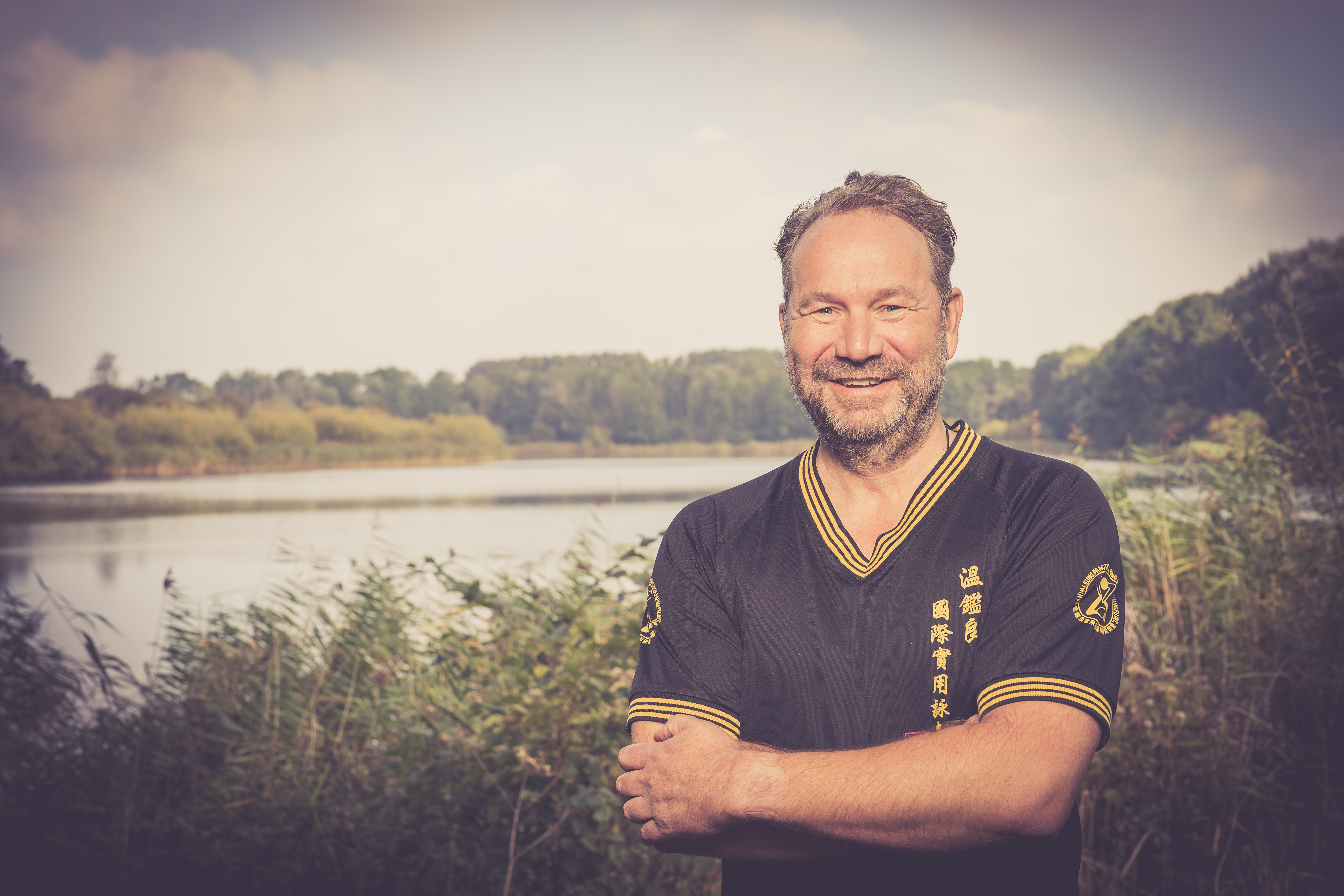
Practitioner · Teacher · Author
SIFU MICHIEL
CONTANT
Martial arts became a way of understanding movement — and myself.
Evolution over the years
FROM TRAINING
TO STUDY
I came to Wing Chun after years of sport and experience in boxing, judo and Umi Ryu Karate. When I encountered Wing Chun, something immediately felt familiar. Its directness, efficiency and emphasis on structure fitted both the way I moved and the way I thought.
What began as training gradually became a much deeper study.
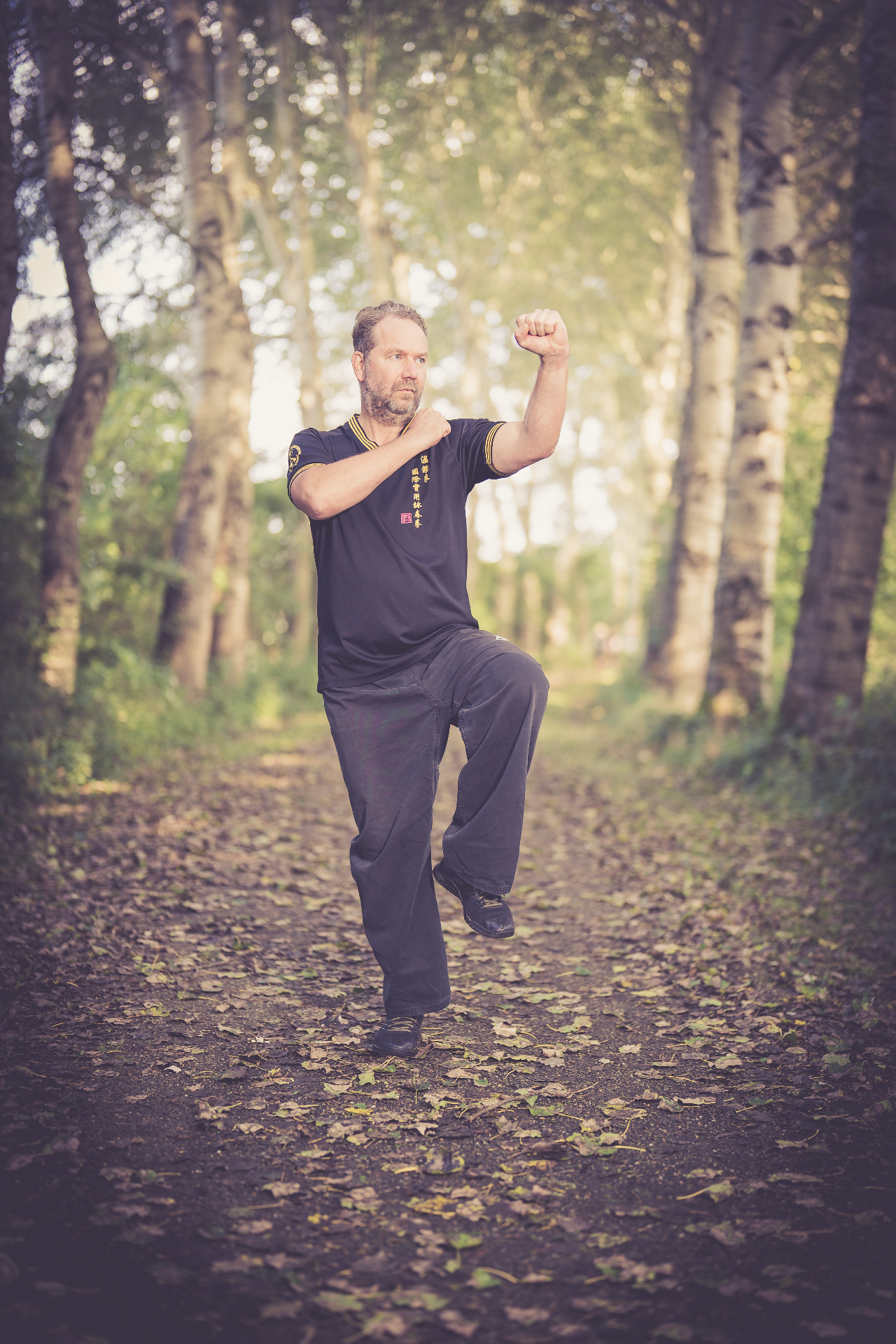
From training notes to books
WRITE IT DOWN.
QUESTION IT.
When I became an instructor, I wanted to understand more than the movements I was teaching. I began turning the notes I had taken during classes, seminars and conversations with my Sifu into something more structured.
The more I wrote, the more questions appeared. Writing forced me to examine what I thought I understood, test it in practice and explain it in language someone else could use.
Those notes eventually became the My Personal Wing Chun Tao series of books.
My Wing Chun foundation
TRADITION
AND CURIOSITY
My primary Wing Chun foundation developed through Sifu Benno Wai and the Practical Wing Chun system of Grandmaster Wan Kam Leung. I have also sought opportunities to train with and learn from practitioners outside my immediate lineage.
I believe tradition deserves respect, but understanding also requires curiosity. Techniques and interpretations should be studied, tested and continually refined.
My approach
UNDERSTANDING
BEFORE COPYING
For me, Wing Chun is not a collection of techniques to reproduce. It is a system of principles that gradually changes the way you understand structure, pressure, movement and yourself.
Teaching and writing have become part of that study. Every time I try to explain why something works, I am forced to examine my own understanding more closely. Sometimes that confirms what I already know. Sometimes it changes it.
That process of practice, questioning and continual refinement is what keeps the art alive — until, eventually, it becomes a way of life.
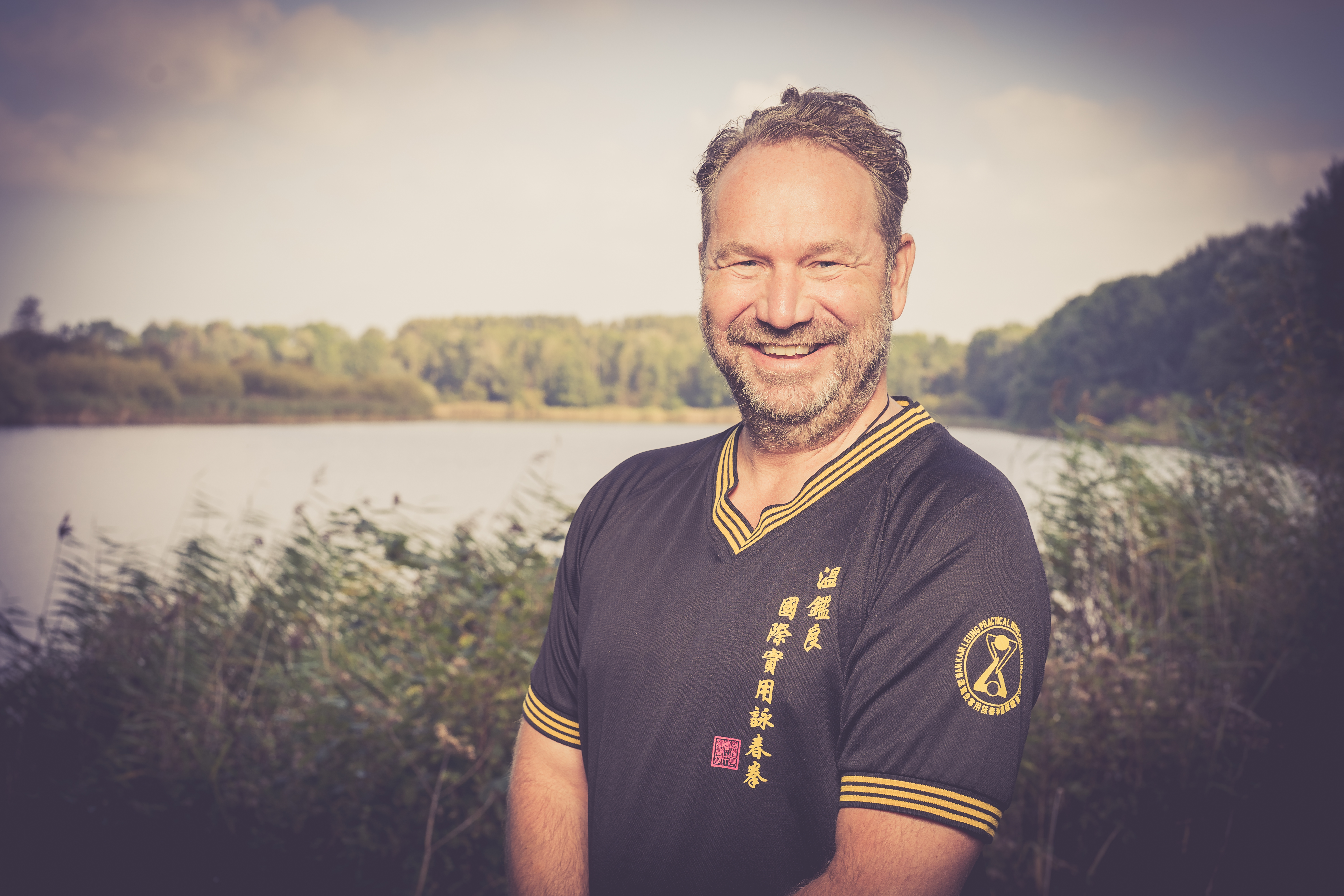
The study continues
BIU JI OPENED
ANOTHER DOOR
The third book, The Book of Biu Ji, marked an important stage in that development. The questions became smaller and more detailed: how the body connects, how unnecessary tension interferes with movement, how intent changes structure, and how power can be coordinated through the whole body.
Biu Ji did not feel like the end of the Wing Chun curriculum. For me, it opened another level of investigation.
The path continues
NOT THE FINAL WORD.
WHERE I AM TODAY.
I do not present my understanding as the final word on Wing Chun. It is where I am on the path today. I share it because a martial art stays alive through practice, questioning, teaching and discovery.
Safe travels.