01
Foundations
Wu-Taiji history and principles, Wuji standing practice, structure and alignment.
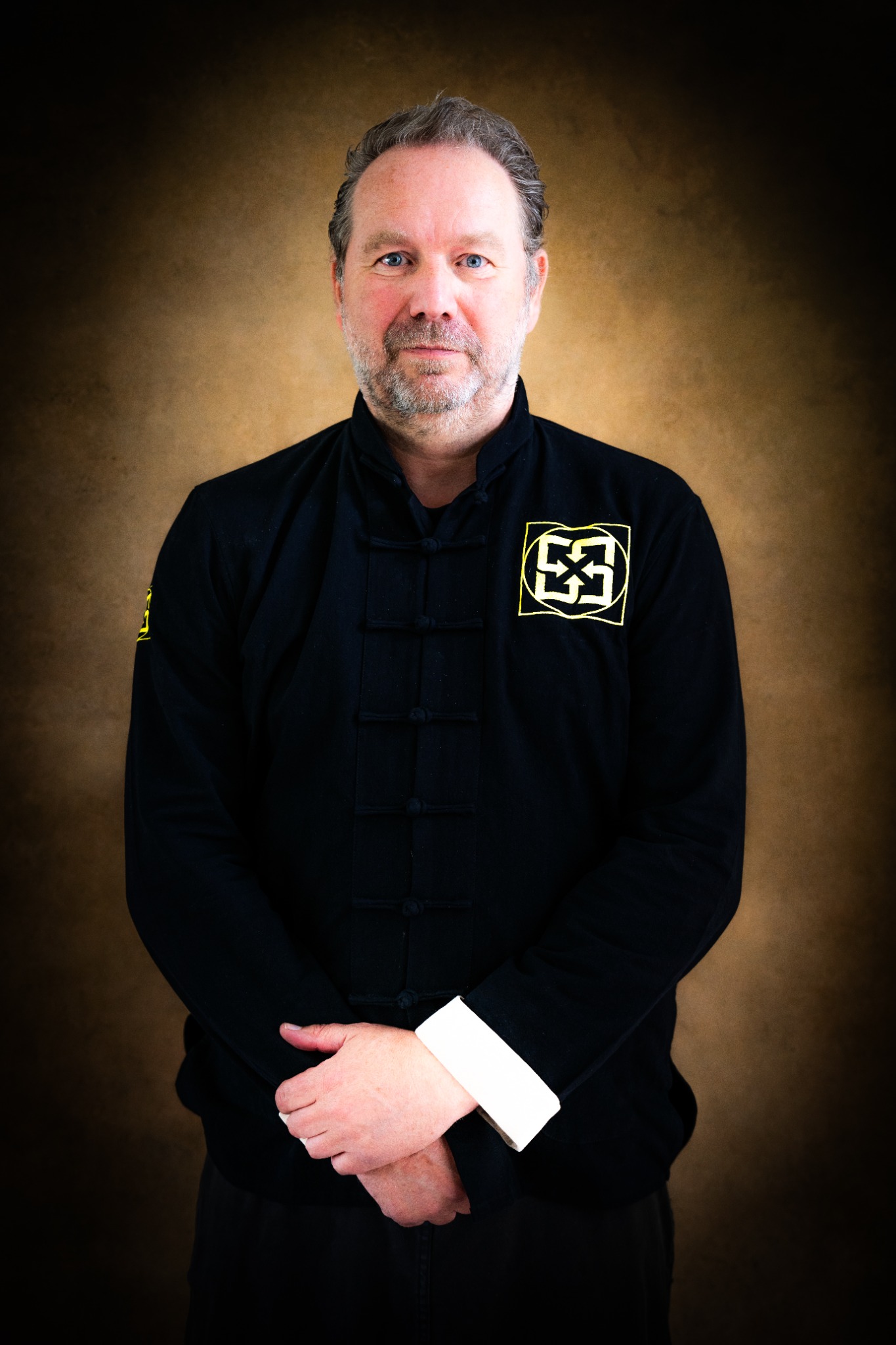
Wu Taiji · New book project
After more than twenty-five years in Wing Chun, my martial arts journey has taken a new direction: Wu-style Taijiquan (吳式太極拳).
A new path from familiar ground
I did not come to Wu-Taiji as a beginner in martial arts. I came to it after years of studying structure, relaxation, timing, sensitivity and efficient movement through Wing Chun — and after writing three books on its three hand forms: Siu Nim Tau, Cham Kiu and Biu Ji.
Yet when I began studying Wu-Taiji, I experienced something I had not felt since my first years in Wing Chun: the quiet recognition that I had found something I wanted to understand much more deeply.
Wu-Taiji has not replaced Wing Chun. It has opened another door.
Shared principles, different character
Wing Chun and Wu-Taiji approach movement differently, but they ask many of the same questions.
How do we create structure without unnecessary tension? How do we remain balanced while moving? How can force travel through the whole body rather than being generated by isolated muscular effort? How do we listen and respond rather than resist?
Wing Chun often answers these questions through a compact frame, direct movement, centreline control and sensitivity through Chi Sau.
Wu-Taiji explores many of the same ideas through continuous movement, weight change, the Kua (胯), whole-body connection and Push Hands (推手, Tuī Shǒu).
Studying one does not make the other easier in terms of technique. But years of Wing Chun taught me how to pay attention — and that has become an important foundation for studying Wu-Taiji.
Book in development
This study has now grown into my next book project.
Just like my My Practical Wing Chun Tao series, this new book is not intended as the official handbook of a school or lineage. It is a record of my own study and understanding — a snapshot of where I am on the path.
The book is being written especially for practitioners who want to understand not only what a movement looks like, but why it is performed that way.
Wu-Taiji history and principles, Wuji standing practice, structure and alignment.
The role of the Kua, relaxation, whole-body connection and the internal qualities trained within movement.
The traditional Wu-style form, Chinese terminology and pronunciation, with practical movement explanations.
The path continues
My Wing Chun books documented one part of my martial arts journey. Wu-Taiji is the next chapter.
I am still studying, questioning and refining my understanding. That is exactly why I am writing it down.
“The path is where learning lives.”
As the manuscript develops, I will gradually share more of that work here.
Safe travels.
Sifu Michiel Contant